

 EN
EN
Kaixin, ett högteknologiskt företag specialiserat på forskning och utveckling, produktion och försäljning av polymerrörledningsventiler.
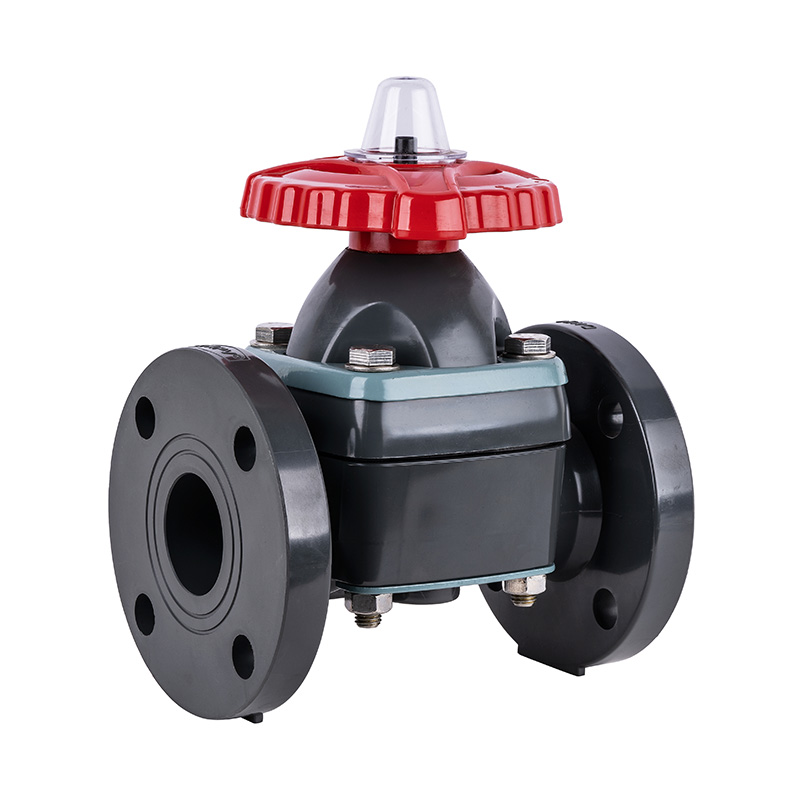
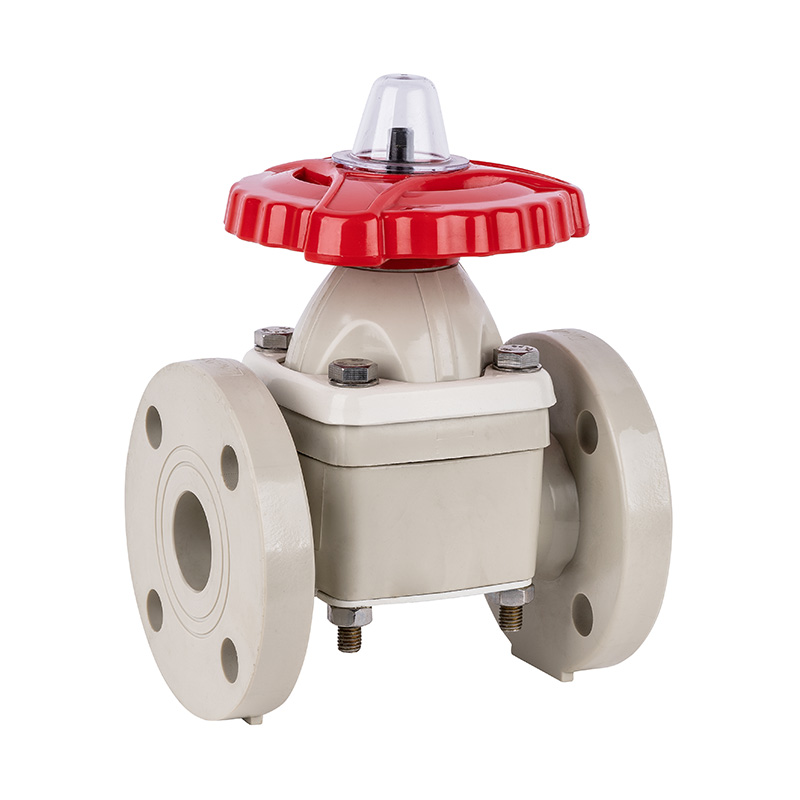
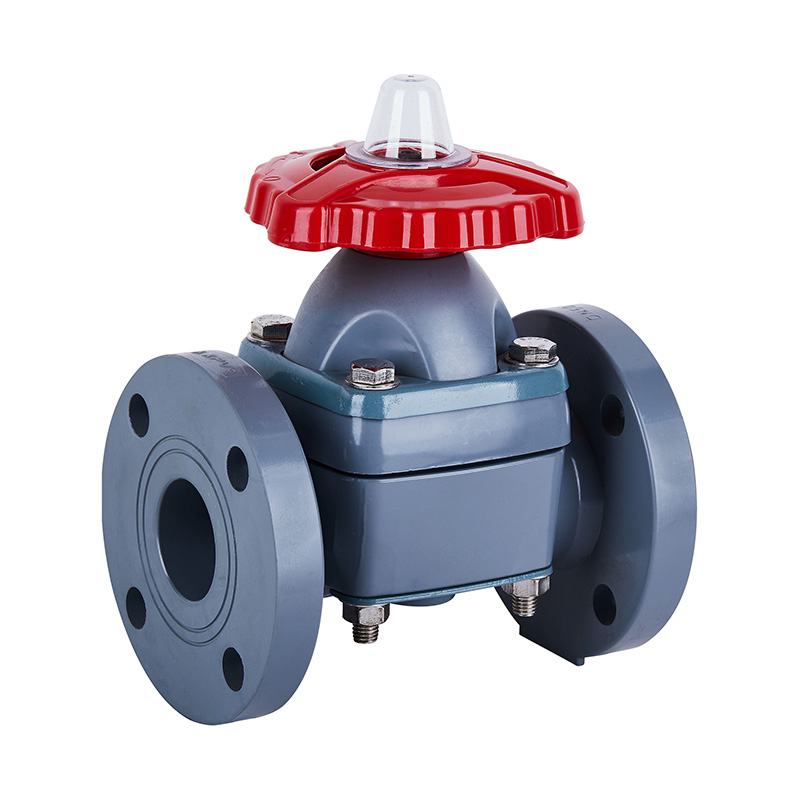
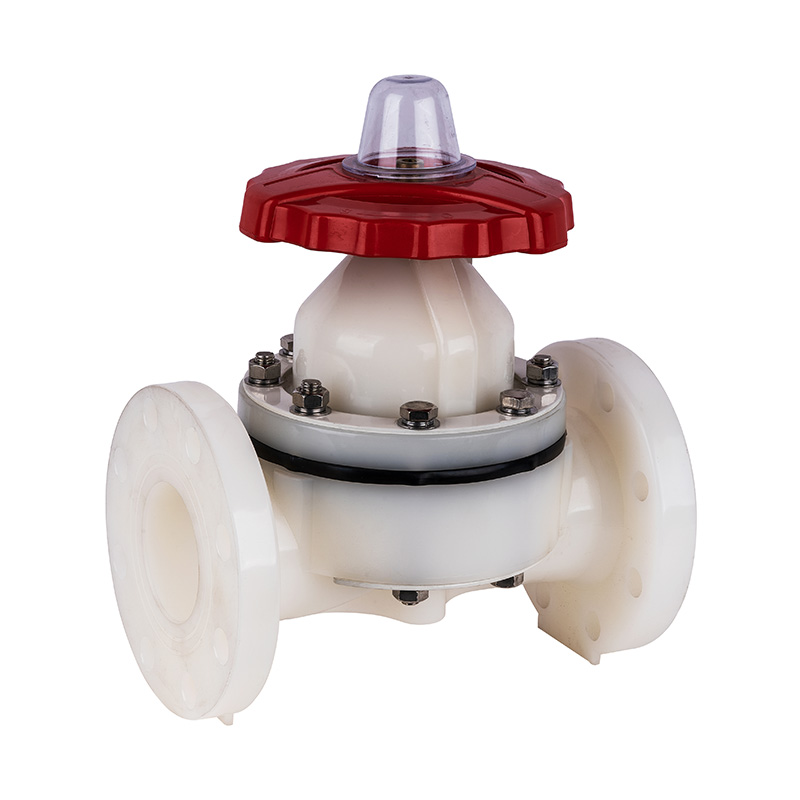
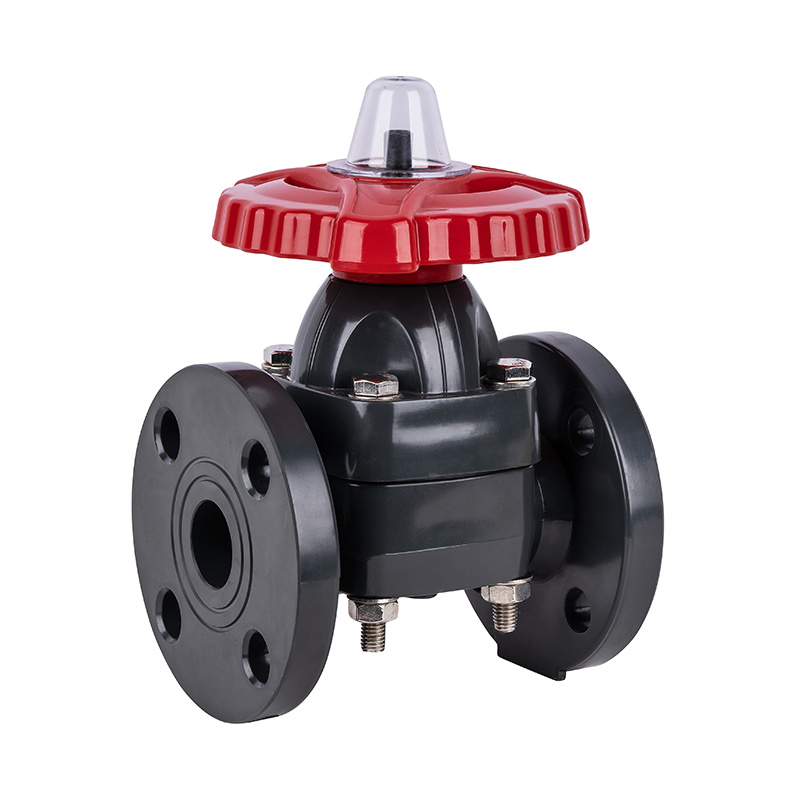
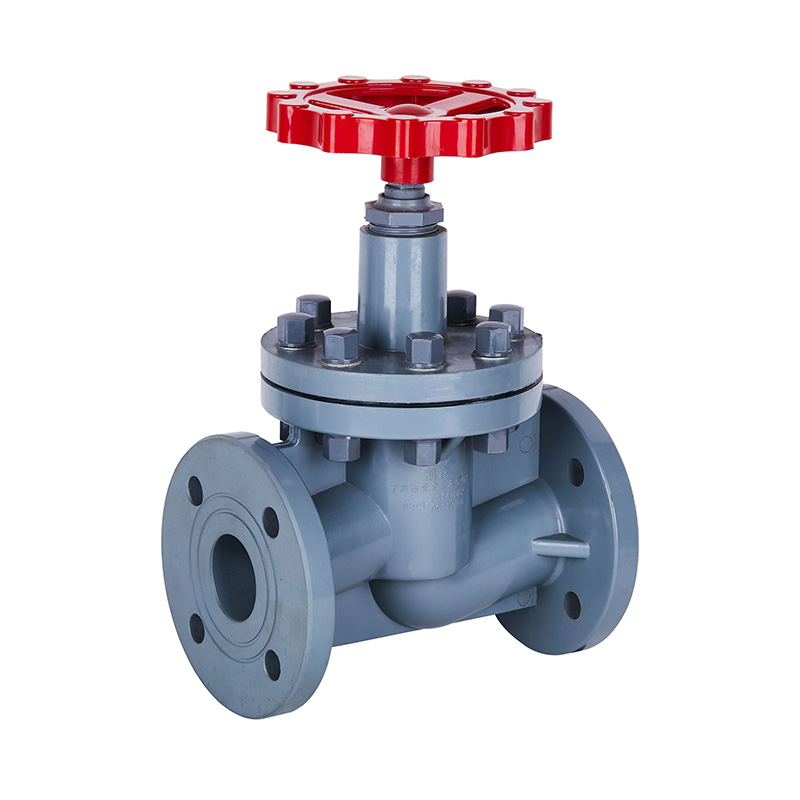
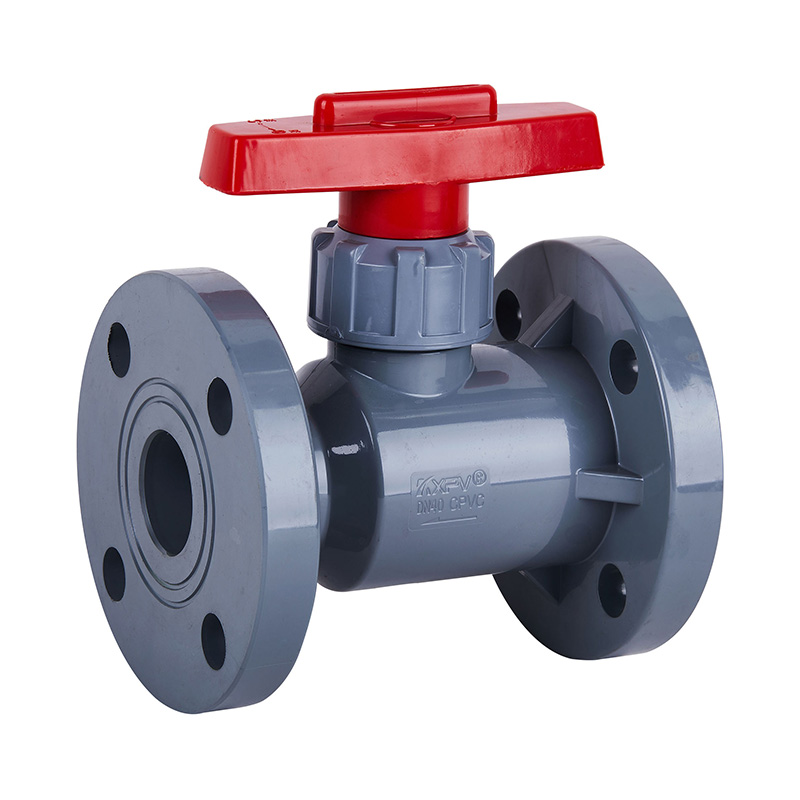
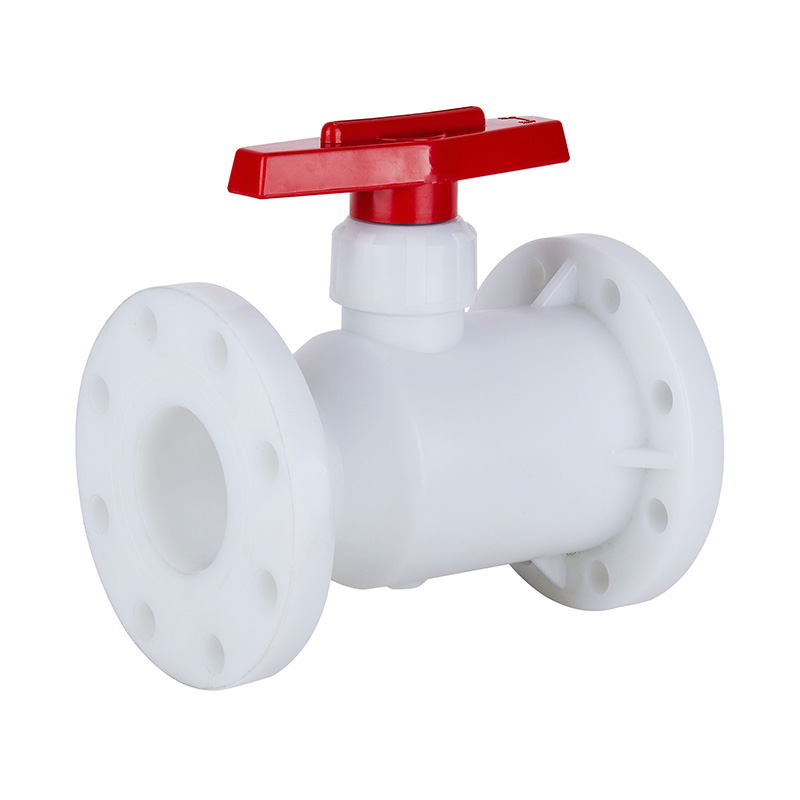
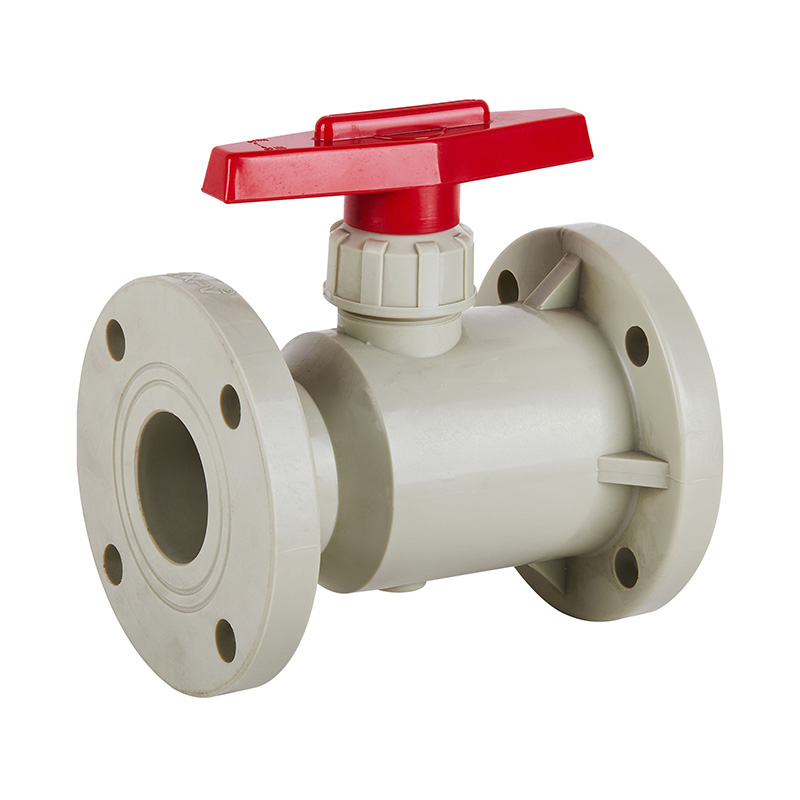
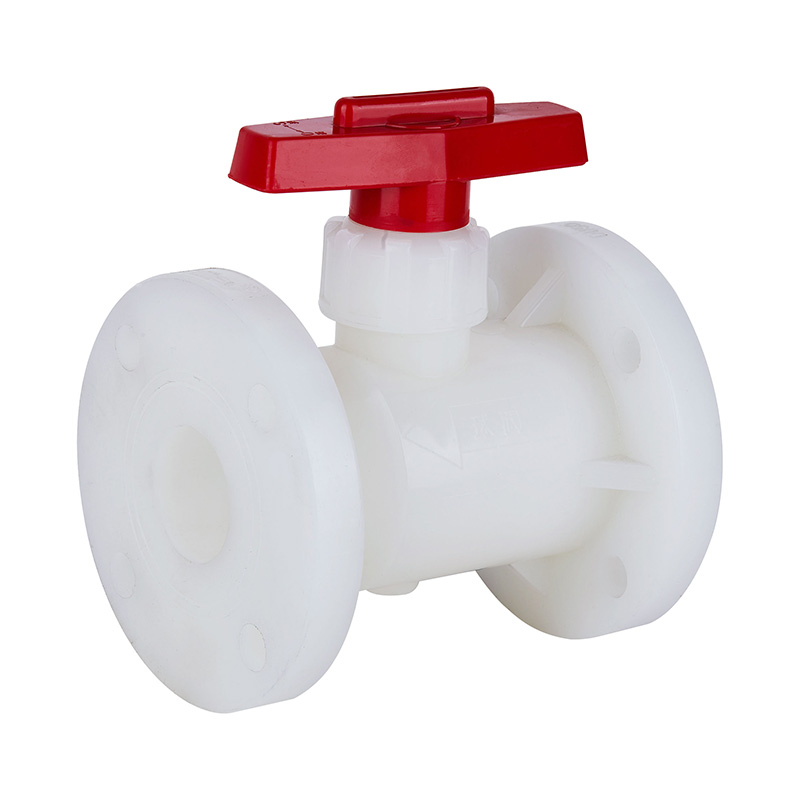
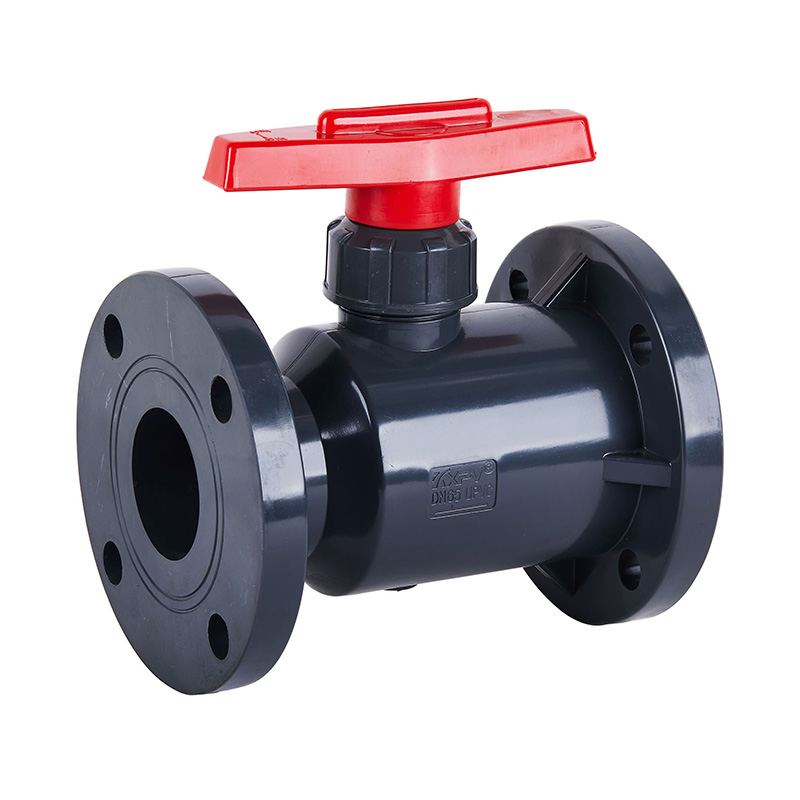
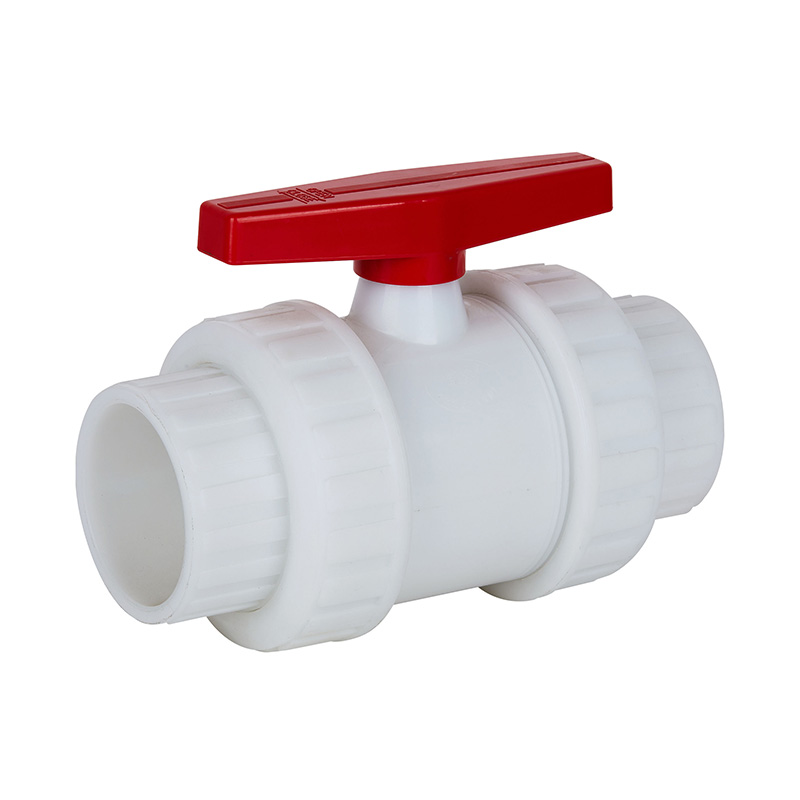
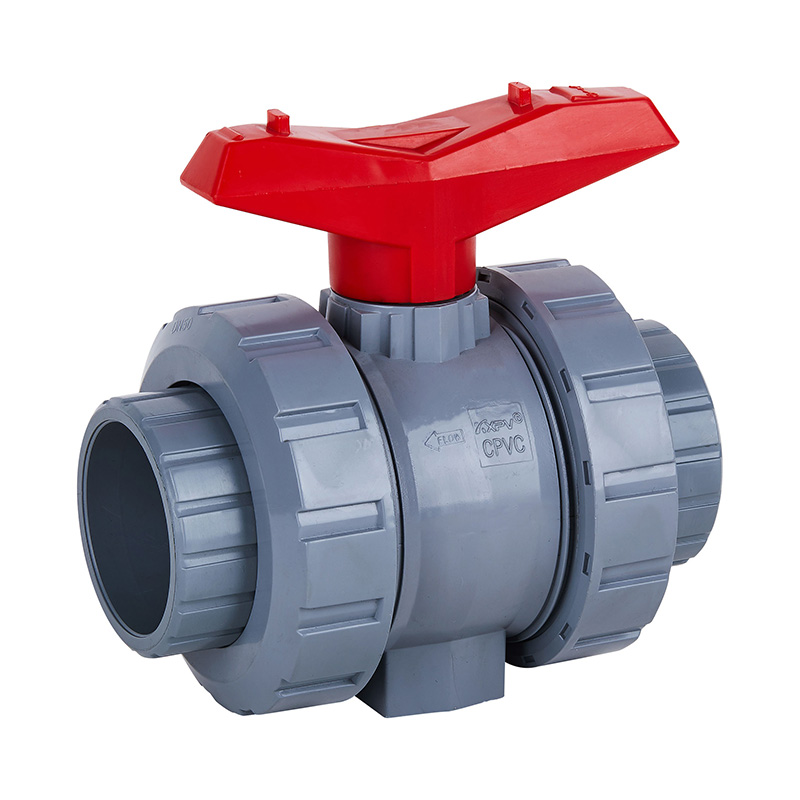
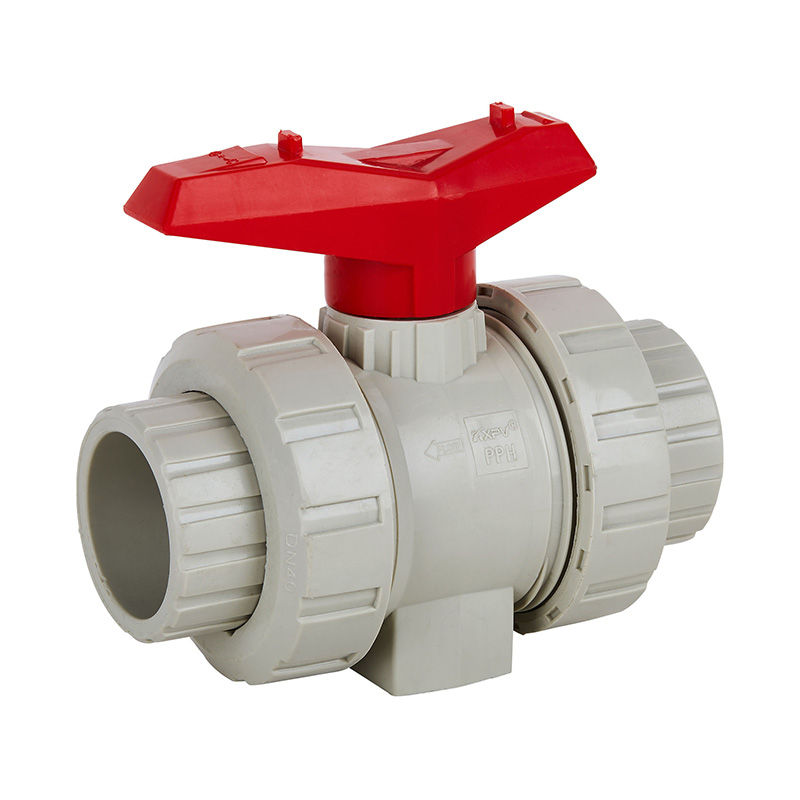
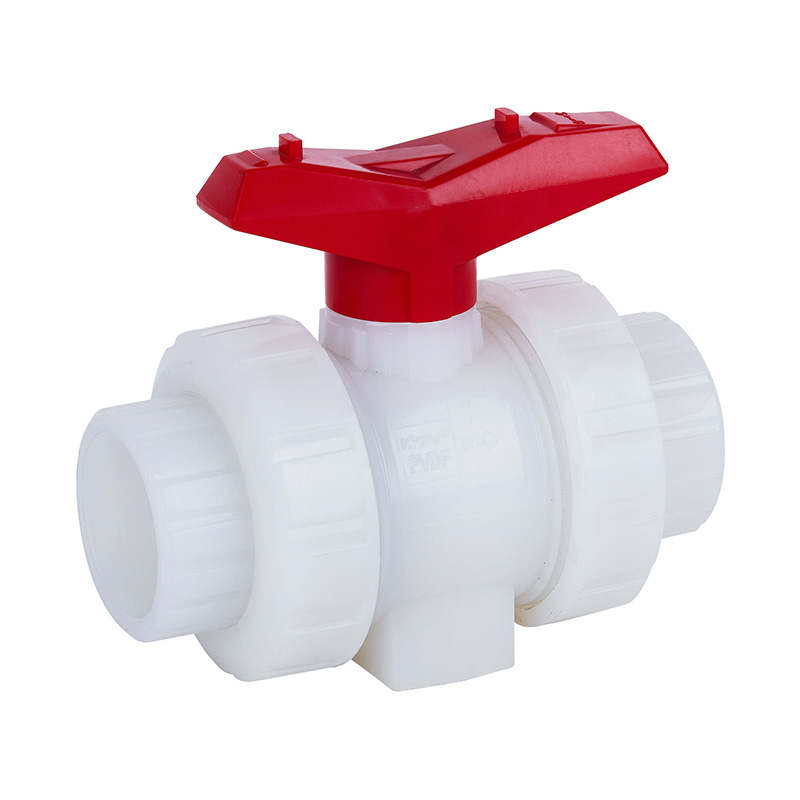
Den Bottenventil är en integrerad del av att kontrollera flödet av vätskor eller gaser i ett system. Det möjliggör exakt reglering av flödeshastigheten, vilket är avgörande för att säkerställa att processer varken över- eller undermatas. I system där varierande flödeshastigheter är nödvändiga, kan bottenventilen justeras för att möta de exakta kraven, vilket möjliggör konsekvent drift och prestanda. Denna precision i att kontrollera flödet minskar risken för över- eller underflöden, som båda kan leda till ineffektivitet, slöseri eller till och med systemfel. I automatiserade system kan Bottom Valve arbeta tillsammans med sensorer för att dynamiskt justera flödeshastigheten, vilket ger en kontinuerlig realtidsreglering som ökar systemets totala effektivitet och processstabilitet.
Den primary function of the Bottom Valve is its ability to prevent backflow, which could otherwise lead to contamination or disruption of the desired fluid flow direction. For example, in systems that handle sensitive liquids or gases, backflow could lead to cross-contamination, reducing the purity of the product or the efficiency of chemical reactions. By ensuring that liquids or gases flow only in the desired direction, the Bottom Valve helps maintain system integrity and safeguards against contamination. This backflow prevention is critical in industries such as chemical processing, food and beverage production, and pharmaceutical manufacturing, where contamination could lead to serious product defects or operational inefficiencies. By preventing backflow, the valve also protects downstream equipment, preventing costly damage and repair.
Den Bottom Valve is designed with high-quality seals and gaskets that ensure leak-proof performance even under varying pressure and temperature conditions. A tight seal is essential for maintaining optimal pressure within the system, which in turn helps in preserving the flow rate and system integrity. Leaks can cause pressure drops, leading to inefficient operation and increased energy consumption as pumps or compressors work harder to compensate for the loss. The leaking fluid may create safety hazards or environmental issues. By maintaining a secure seal, the Bottom Valve minimizes these risks, contributing to the overall energy efficiency of the system and ensuring that valuable resources (such as gases or chemicals) are not wasted.
Den design of the Bottom Valve ensures that the flow of fluids or gases remains unobstructed and smooth. This is crucial because any obstruction or irregularity in the flow can lead to turbulence, which increases friction and reduces the system’s efficiency. In systems with gravity-fed processes, the Bottom Valve optimizes the flow by using the weight of the fluid to regulate the discharge rate. This reduces the need for additional energy inputs, such as pumps or compressors, which would otherwise be required to maintain the flow. By ensuring that the flow pathway remains clear and streamlined, the Bottom Valve helps reduce pressure drops and keeps the system running at optimal performance, which in turn reduces energy consumption and enhances system efficiency.
I industriella applikationer där viskösa eller slipande vätskor är inblandade, är bottenventilen utformad för att hantera sådana material effektivt utan att täppas till eller försämras. Till exempel, i olje- och gasindustrin, kemisk industri eller avloppsvattenreningsindustri kan vätskor innehålla fasta ämnen eller partiklar som annars skulle kunna blockera eller slita ner ventilkomponenterna. En väldesignad bottenventil kan inkludera flödeskontrollfunktioner och filtreringssystem som förhindrar dessa partiklar från att hindra ventilens funktion. Denna funktionalitet minskar behovet av frekvent underhåll och ökar systemets tillförlitlighet. Till exempel, i applikationer med hög viskositet, kan ventilen utformas med bredare flödesvägar eller speciellt belagda inre ytor för att motstå slitage och förbättra materialflödet, vilket i slutändan förbättrar systemets drifttid och minskar underhållskostnaderna.
 Huvudkontor: No. 539 Bohai Road, Beilun District, Ningbo City, Zhejiang-provinsen, P.R. Kina
 +86-18067123177